Explore the fascinating world of the Dinka people, one of South Sudan’s largest ethnic communities, whose rich cultural heritage, deep connection to cattle, traditional music, and community values form an important part of the country’s identity.
By Juba Tours | Cultural Tourism in South Sudan
Introduction: Discover the People Behind South Sudan's Living Heritage
South Sudan is a country of extraordinary cultural diversity, breathtaking landscapes, and communities whose traditions have been passed down through generations. Among its many ethnic communities, the Dinka people hold a significant place in the country’s cultural and social history.
Known in their own language as Jiɛ̈ɛ̈ŋ, the Dinka are widely recognized for their pastoral heritage, distinctive cultural practices, traditional songs, and close relationship with cattle. Their communities are found across several parts of South Sudan, including areas of Jonglei, Lakes,Warrap, Northern Bahr el Ghazal, and the Upper Nile region.
For travelers seeking to understand South Sudan beyond its capital, Juba, learning about the Dinka people offers an opportunity to discover the traditions, livelihoods, and community relationships that continue to shape everyday life.
At Juba Tours, we believe that cultural travel is most meaningful when visitors approach local communities with curiosity, respect, and a genuine willingness to learn.
1. Who Are the Dinka People?
The Dinka are a Nilotic people and one of the largest ethnic communities in South Sudan. They have a long history of living along the country’s river systems, grasslands, floodplains, and wetlands.
Their traditional livelihoods have developed in response to these environments, where seasonal flooding, changing water levels, and the availability of grazing land influence how communities manage livestock and agricultural activities.
The Dinka are not a single, culturally identical community. They include different sections, clans, and local communities with their own identities, dialects, customs, and histories. Although they share important cultural connections, practices may vary from one region to another.
The Dinka language, commonly called Thuɔŋjäŋ, belongs to the Nilotic language family. Different varieties are spoken across Dinka communities, reflecting the group’s geographical distribution and rich linguistic heritage.
Today, Dinka people live in rural communities, towns, and cities throughout South Sudan and in diaspora communities around the world. Many work in agriculture, education, business, government, healthcare, and other professions, while livestock remains important to many rural households.
Understanding the Dinka means appreciating both their traditional heritage and their changing contemporary lives.
2. The Cultural Importance of Cattle
One of the most distinctive features of traditional Dinka culture is the importance of cattle. For many Dinka families, cattle represent far more than an economic asset. They can symbolize family heritage, social relationships, prosperity, responsibility, and continuity between generations.
Cattle have traditionally provided milk, meat, hides, and manure. Livestock may also be involved in marriage arrangements, compensation for disputes, and other important social relationships. In many communities, the size and quality of a family’s herd have historically influenced its economic security and social standing. However, the significance of cattle extends beyond material wealth.
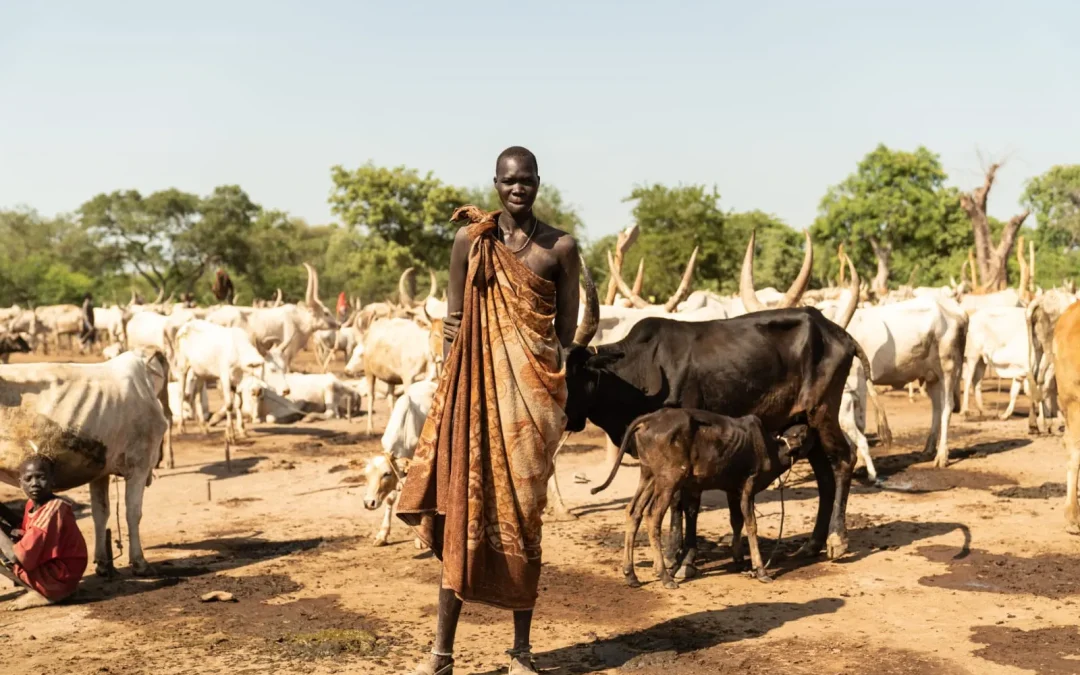
Cattle are woven into the language, songs, memories, and identities of many Dinka people. Animals may receive individual names based on their appearance, coloring, horns, or other distinguishing characteristics. This close relationship is particularly visible in cattle camps, where herders care for their animals, share responsibilities, and maintain traditions associated with pastoral life.
For visitors, learning about cattle culture can reveal how livestock connects the environment, household livelihoods, social organization, and cultural expression.
It is important to remember that Dinka livelihoods are diverse. Many households also depend on crop cultivation, fishing, trade, formal employment, and other activities.
3. Life in a Traditional Dinka Cattle Camp
A visit to a Dinka cattle camp can provide a valuable introduction to the relationship between people, animals, and the surrounding landscape. Cattle camps are places where herders care for livestock, share knowledge, and maintain social relationships. Their organization and appearance vary according to the season, local customs, the size of the herd, and environmental conditions.
During periods when grazing and water become limited in one area, some pastoral communities move their livestock to places with better access to pasture and water. Seasonal movements are an important adaptation to the changing conditions of South Sudan’s grasslands and wetlands. Daily activities may include guiding cattle to grazing areas, obtaining water, caring for young animals, maintaining enclosures, and monitoring the health of the herd.
The cattle camp is also a place of social interaction. Knowledge about animals, family histories, local environments, and community responsibilities can be shared between generations. For cultural travelers, these experiences can help explain pastoralism as a sophisticated way of life shaped by environmental knowledge, family cooperation, and generations of experience.
A responsible visit should be organized with local hosts who have agreed to receive visitors. Guests should follow their hosts’ guidance, avoid disturbing animals, and seek permission before taking photographs.
4. Dinka Music, Songs, and the Tradition of Praise
Music and oral expression are important parts of Dinka cultural life.
Traditional songs can communicate affection, personal identity, community history, social relationships, and admiration for cattle. Songs may be performed during celebrations, gatherings, and other occasions that bring people together. One particularly interesting pastoral tradition is the composition and performance of songs praising individual oxen
In some Dinka communities, a young man develops a special attachment to a particular ox. The animal’s color, horns, appearance, and temperament may inspire descriptive praise songs. Such songs express more than admiration for an animal: they can communicate the herder’s identity, emotions, creativity, and relationship with the herd.
Oral traditions also help transmit knowledge between generations. Through storytelling, songs, and shared experiences, communities preserve memories and values that may not be recorded inwritten form. Visitors who have the opportunity to hear traditional performances can gain a deeper appreciation of the creativity and cultural meaning associated with pastoral life.
As with other cultural practices, musical styles and performance traditions differ among Dinka communities.
5. Traditional Identity, Dress, and Personal Expression
Dinka cultural identity is expressed through a variety of practices, including clothing, jewelry, hairstyles, body adornment, music, and community ceremonies. Some traditional practices have historical roots, while others continue to change as people interact with new social environments, technologies, religions, and lifestyles.
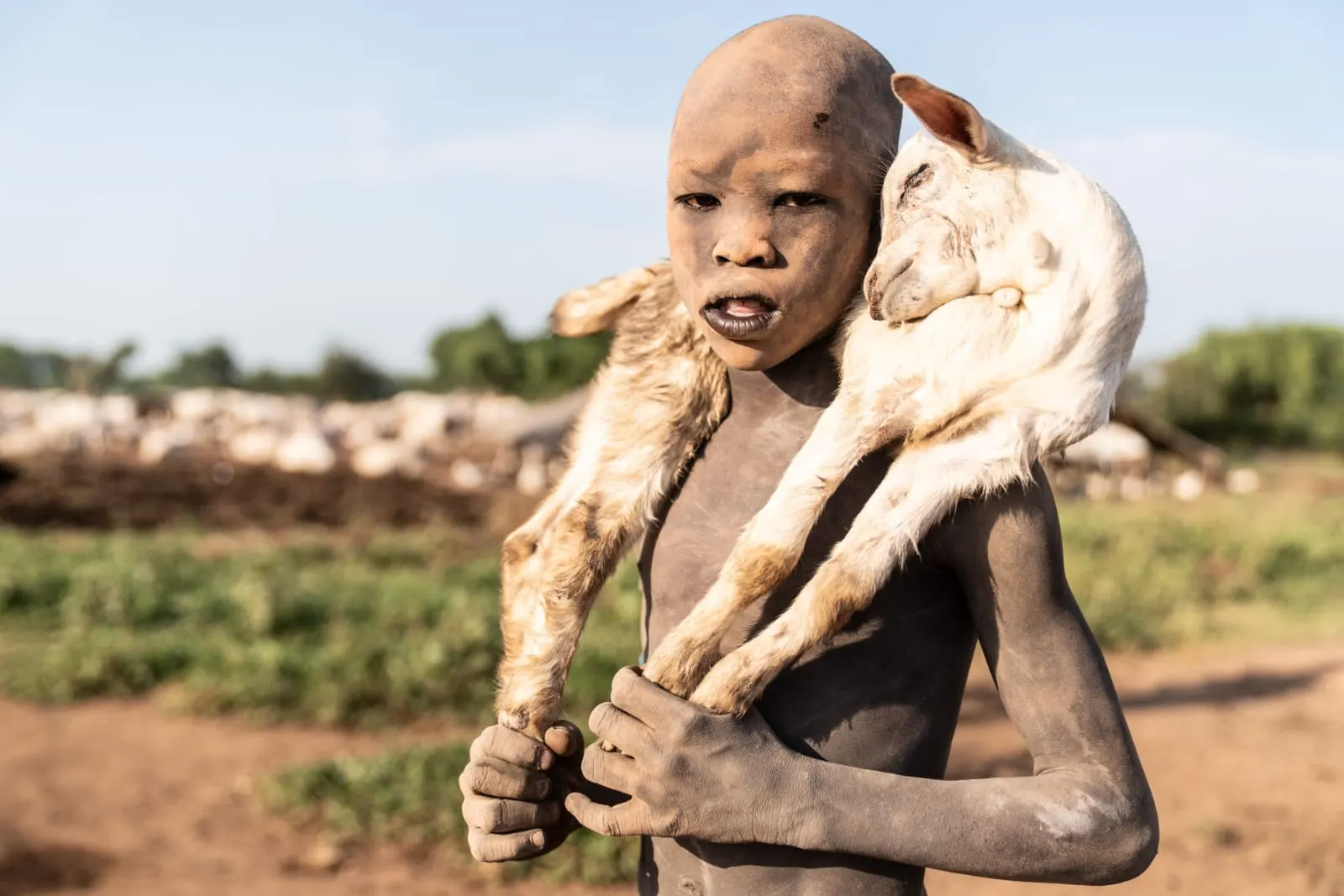
Photographs of Dinka communities sometimes emphasize distinctive traditional forms of personal adornment. However, no single appearance represents every Dinka person, and contemporary Dinka communities include many different ways of dressing and expressing identity.
Historically, scarification has been practiced in some Dinka communities as a marker of identity and social belonging. The forms and meanings of such practices have varied by community and generation. A respectful cultural account should explain these traditions in their social context rather than treating them simply as unusual physical characteristics.
For travelers, the most meaningful approach is to recognize the people they meet as individuals whose identities encompass family, education, occupation, personal beliefs, and contemporary experiences as well as cultural heritage.
6. Marriage, Family, and Community Relationships
Family and community relationships have traditionally played important roles in Dinka society. Marriage can establish relationships between families and wider kinship networks. In some communities, cattle have historically formed part of marriage arrangements, connecting livestock ownership with family responsibilities, social recognition, and the creation of new relationships.
These arrangements are not simply financial transactions. Their meanings are connected to local understandings of kinship, responsibility, continuity, and the relationships between families. Practices differ across Dinka communities and have evolved over time. Contemporary marriages may reflect combinations of customary traditions, religious practices, civil requirements, and individual preferences.
Family networks have also traditionally played roles in caring for children, supporting relatives, transmitting cultural knowledge, and maintaining relationships within the wider community
Understanding these relationships helps travelers appreciate how culture is sustained through everyday life, not only through ceremonies or public performances.
7. Spiritual Beliefs and Religious Life
Dinka religious life has a rich history that includes Indigenous spiritual traditions and, in many communities, Christianity. Traditional spiritual understandings have included beliefs concerning a supreme divine power, ancestral relationships, and the spiritual significance of aspects of the natural world. Cattle and other elements of the environment have featured in religious and ceremonial life in particular communities.
Christianity has also become an important part of contemporary religious life among many Dinka people, with churches and Christian practices contributing to community and family life. Beliefs and practices vary between individuals and communities. Some people maintain particular Indigenous traditions, while others identify strongly with Christian denominations or combine cultural customs with their religious commitments.
It would therefore be inaccurate to assume that all Dinka people share the same religious beliefs. For cultural visitors, religious and ceremonial practices should be approached with sensitivity. Some events may be open to guests, while others are private and should only be attended with the community’s permission.
8. Food, Farming, and Everyday Livelihoods
Although cattle are central to many traditional Dinka livelihoods, everyday life also depends on farming, fishing, gathering, trading, and other economic activities.
Sorghum is an important staple crop in many parts of South Sudan. Depending on the region and local conditions, households may also cultivate maize, groundnuts, sesame, beans, vegetables, and other crops.
Fishing can be especially important for communities living near rivers, lakes, and wetlands. Seasonal access to fish, farmland, and pasture influences how households organize their activities throughout the year.
Milk and other livestock products may contribute to household diets, while meat consumption and the use of cattle can vary according to local customs, household circumstances, and ceremonial occasions.
Agriculture and livestock keeping are often interconnected. Manure can help fertilize cultivated land, while crop residues may provide additional feed for animals. This relationship demonstrates the importance of understanding Dinka livelihoods within their wider environmental setting.
The seasonal rhythms of South Sudan’s landscapes have influenced traditional knowledge about water, weather, grazing, cultivation, and the management of natural resources.
9. Where Can Travellers Learn About Dinka Culture?
For visitors interested in cultural tourism, parts of South Sudan offer opportunities to learn about Dinka history, pastoral traditions, local livelihoods, and contemporary community life.
Juba can serve as a starting point for discovering the country’s diverse cultural heritage. Depending on current travel conditions, local arrangements, and community access, travelers may be able to explore destinations associated with Dinka communities beyond the capital.
Areas of Jonglei and Lakes, among others, have important Dinka communities and pastoral traditions. The suitability of any destination depends on road conditions, seasonal weather, security, and the availability of appropriate local arrangements.
Juba Tours features Dinka cultural experiences among its South Sudan tourism offerings, including a five-day South Sudan tribes tour featuring Dinka and Mundari cultural experiences. Travelers interested in these experiences should request current itineraries, confirm which communities will be visited, and establish what activities are actually available before making a booking.
A cultural journey should never be reduced to a checklist of photographs. The greatest value comes from listening to local people, learning about their experiences, and understanding the context behind the traditions visitors encounter
10. Responsible Cultural Tourism: Visiting With Respect
Cultural tourism can support local livelihoods and help preserve traditional knowledge when visits are planned collaboratively and respectfully. However, cultural visits should priorities the dignity, privacy, and wishes of the people being visited. If you are planning to visit a Dinka community, consider the following principles:
Seek permission before taking photographs. Always ask individuals before photographing them, and respect their decision if they decline.
Work with knowledgeable local guides. Local guides can explain community customs, help arrange introductions, and clarify which activities are appropriate for visitors.
Respect private spaces. Homes, family gatherings, religious events, and some community activities may not be open to tourists.
Avoid treating people as attractions. Engage with residents as individuals with their own perspectives, priorities, and interests.
Support local livelihoods fairly. Where possible, use locally arranged services and discuss any fees or payments transparently.
Follow local guidance around cattle. Keep a respectful distance from livestock, avoid entering enclosures without permission, and follow the instructions of the herders responsible for the animals.
Be mindful of local conditions. Travel arrangements should take account of security, weather, road conditions, and the needs of host communities.
Responsible tourism creates opportunities for cultural exchange while recognizing that communities have the right to decide how their heritage is shared.
11. The Dinka People in Modern South Sudan
The story of the Dinka people cannot be understood through traditional pastoralism alone
Dinka communities have experienced major political, economic, and social changes, including colonial rule, conflict, displacement, migration, and the establishment of independent South Sudan in 2011.The Dinka have also contributed to the country’s political, educational, cultural, religious, and professional life.
Like other communities in South Sudan, Dinka people have faced the consequences of conflict and displacement. Their experiences are diverse, and no single account can represent every individual’s history or political perspective.
Today, Dinka people live in many different settings. Some continue to maintain livestock and agricultural livelihoods, while others work in cities, pursue education, operate businesses, or build careers in different countries.
Younger generations are finding ways to maintain connections with their cultural heritage while adapting to contemporary opportunities and challenges. This combination of continuity and change is an essential part of the Dinka story.
Recognizing contemporary experiences alongside traditional practices provides a fuller and more respectful understanding of the community.
12. Why Discover Dinka Culture With Juba Tours?
South Sudan offers cultural experiences that are deeply connected to its landscapes, communities, and living traditions. At Juba Tours, our interest in cultural tourism is rooted in helping travelers discover the people, places, and stories that make the country distinctive.
Exploring Dinka heritage can introduce visitors to pastoral livelihoods, cattle traditions, oral expression, family relationships, and the environmental knowledge that has shaped community life over generations.
Our Dinka and Mundari cultural tour offering provides a starting point for travelers interested in learning more about South Sudan’s diverse cultural communities. Before travelling, guests should confirm the current itinerary, destinations, inclusions, security arrangements, and opportunities for community interaction.
We encourage visitors to approach every cultural encounter with respect and an open mind. The aim is not merely to observe a tradition, but to understand the people and relationships that give it meaning
Discover South Sudan beyond the ordinary. Learn about its living cultures, listen to local stories, and experience the country through responsible, community-conscious travel.
Contact Juba Tours to enquire about available South Sudan cultural experiences and travel arrangements.
Conclusion: A Culture Rooted in Heritage and Adaptation
The Dinka people are an important part of South Sudan’s cultural landscape
Their heritage reflects a longstanding relationship with cattle, a rich tradition of oral expression, diverse family and community relationships, and detailed knowledge of the environments in which they live
At the same time, Dinka identity continues to evolve through education, migration, professional life, religious diversity, and changing social conditions.
For travelers, learning about the Dinka offers more than an introduction to a single ethnic community. It provides a window into the relationship between culture, livelihoods, landscapes, and identity in South Sudan.
Through thoughtful preparation, respectful engagement, and locally informed guidance, visitors can gain a deeper understanding of this remarkable heritage.
Plan your cultural journey with Juba Tours and discover the living heritage of South Sudan.
Explore our Dinka cultural tour offerings through the Juba Tours website.
- Generaltoursjuba@gmail.com
- Phone and WhatsApp+211 925 933 363